

What does permanency mean to an older youth in foster care?
For many, it means more than a placement or a legal designation. It means knowing who will keep showing up, which relationships will endure and who will still be there long after involvement with the child welfare system ends.
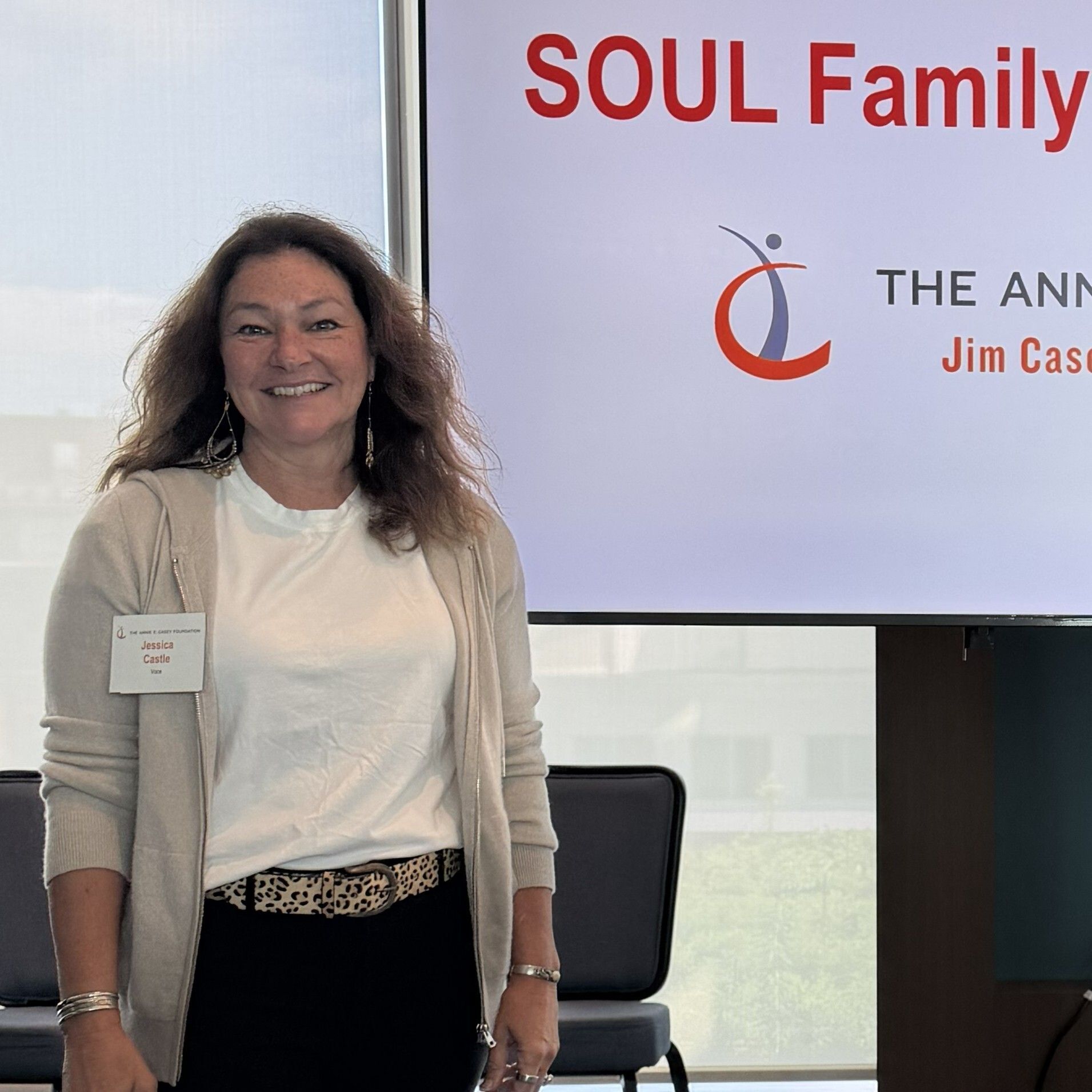
Representing Voce, I recently joined other child welfare leaders as well as young people with lived experience, advocates and partners from across the country in Washington, D.C., to explore an innovative approach to answering that question. Hosted by the Annie E. Casey Foundation, the SOUL Family Convening brought together those voices to consider another pathway to permanency for older youth in foster care.
Much like kinship care, which seeks to preserve and strengthen the family and community connections that children and youth already have, SOUL Family builds on a similar philosophy while placing the young person's voice at the center of defining who those important relationships are.
This initiative represents a significant departure from traditional practices. The states leading the way share a sense of urgency around ensuring youth transition out of the system with the support they need to succeed. At the convening, that urgency was matched by energy and excitement about SOUL Family's potential.
SOUL Family — Support, Opportunity, Unity and Legal Relationships — was developed in partnership with young people who have experienced foster care. Designed for older youth, it offers an additional pathway to establish legally recognized, lifelong relationships with trusted adults while preserving other relationships important to them.
Rather than asking a young person to fit within a predetermined definition of family, SOUL Family asks: Who do you consider family? Which relationships matter most to you? Who do you trust? Who do you want to remain connected to throughout your life?
That youth-centered philosophy is particularly significant for older youth whose circumstances, relationships and needs may not fit neatly within traditional permanency pathways.
Voce's participation in the national SOUL Family conversation reflects both our longstanding commitment to permanency and our willingness to explore new approaches that could improve outcomes for children, youth and families. It is time for change, innovation and a break from the status quo. Most importantly, youth are driving this change.
SOUL Family isn't intended to replace adoption, guardianship, kinship care or other established pathways. Instead, it expands the possibilities for achieving lasting family relationships and a sense of belonging—the goal of every form of permanency. The convening was incredibly upbeat and energizing, with strong momentum and optimism around this work.
As we recognize National Kinship Month this September, SOUL Family also offers an opportunity to think more expansively about a lesson kinship care has long demonstrated. Family connections don't necessarily begin when a system creates them. Often, the relationships that matter are already there. Our responsibility is to recognize them, listen to young people about their importance and find ways to help those relationships endure.
Voce embraces its identity as a change agent and seeks to advance innovative approaches informed by those with lived experience. As we continue learning alongside the Annie E. Casey Foundation and other partners exploring SOUL, we’ll continue to ask, “How can we ensure every young person leaves foster care knowing who will be there for them for a lifetime?”
